
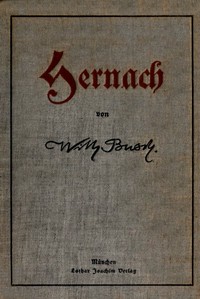
Hernach by Wilhelm Busch
Let's get this out of the way first: this is not a comic book. If you're picking up 'Hernach' expecting the slapstick humor of 'Max and Moritz,' you're in for a surprise. Published in 1908, the year Busch died, this is his final, deeply personal work. It's less of a traditional story and more of a swirling, reflective monologue.
The Story
The 'plot,' such as it is, follows the wandering thoughts of an old man (a stand-in for Busch himself). There's no clear beginning, middle, and end. Instead, we drift through his memories of childhood, his early days as a struggling artist, and his later fame. He mixes these recollections with sharp observations about the changing world around him—the rush of new technology, the shift in social values—all of which he views with a skeptical, sometimes gloomy eye. The title, 'Hernach,' translates to 'Afterward' or 'Hereafter,' which tells you everything. This is a man looking back from the very edge of his life, trying to piece together what it all added up to.
Why You Should Read It
I'll be honest, it's not a breezy read. But that's why it's so compelling. You get to see the man behind the famous cartoons, and he's complex. He's witty, yes, but also deeply melancholic and spiritually searching. Reading 'Hernach' feels like sitting with a brilliant, elderly relative who's sharing his unfiltered, final thoughts. You see his regrets, his pride, and his confusion about a world moving faster than he likes. The beauty is in the contrast. Knowing he created such iconic, joyful chaos for children makes his solemn, adult introspection here incredibly powerful. It adds a whole new layer to his legacy.
Final Verdict
This book is a niche gem. It's perfect for readers who love literary mysteries, biography, or peeking into an artist's private mind. If you enjoy works like 'Ecclesiastes' or the later journals of any great creator, you'll find a friend in 'Hernach.' It's also a must for Wilhelm Busch completists—you simply won't understand the full scope of the man without it. Approach it not as a novel, but as a historical and psychological artifact: the last, whispered confession of a 19th-century genius watching the 20th century dawn.
The copyright for this book has expired, making it public property. Thank you for supporting open literature.
David Garcia
1 year agoCitation worthy content.

Linda Lee
8 months agoAmazing book.