
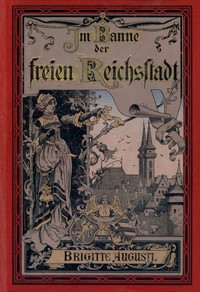
Im Banne der freien Reichsstadt : Kulturgeschichtliche Erzählung aus dem…
Brigitte Augusti's Im Banne der freien Reichsstadt is a captivating journey into a vanished world. Written in the late 19th century, it offers a unique perspective on German history from someone who witnessed the unification of the nation, looking back at the patchwork of states that came before.
The Story
The narrative centers on the lives of ordinary and not-so-ordinary citizens within a Free Imperial City. These were self-governing entities within the Holy Roman Empire, islands of specific rights, traditions, and pride. We follow characters—perhaps a merchant, a councilman's daughter, or a skilled artisan—as they go about their lives, bound by the city's ancient laws and customs. Their world is stable, known, and fiercely independent. Then, the ground begins to shift. The story charts the impact of vast historical forces, likely the secularization and mediatization of the early 1800s, where these free cities were absorbed into larger territorial states. The conflict is internal and external: the struggle to maintain a cherished identity against an unstoppable political tide, and the personal dilemmas of whether to resist, adapt, or flee.
Why You Should Read It
What makes this book special is its intimate scale. Augusti isn't just listing historical events; she's showing how those events shattered daily life. You feel the anxiety in the marketplace, the heated debates in homes, and the grief for a way of life disappearing. Her characters aren't pawns; they're people trying to make impossible choices about loyalty and survival. Because Augusti lived through the creation of modern Germany, her writing carries a nuanced feeling—it's not simple nostalgia, but a clear-eyed look at the profound human cost of progress and consolidation. She makes you understand why someone would fight for a political abstraction like 'free city status,' because it represented their family, their trade, and their home.
Final Verdict
This book is perfect for readers who love historical fiction that prioritizes character and atmosphere over battlefield drama. It's for anyone curious about Central European history beyond the major kings and wars, focusing instead on the rich, complex societies that were smoothed over to form modern nations. If you enjoyed the civic detail of novels like The Pillars of the Earth or the quiet historical immersion of some of Penelope Fitzgerald's work, you'll find a lot to love here. Be prepared for a slower, thoughtful pace—it's a deep dive into a specific time and place, offering a poignant, human-sized view of a monumental historical transition.
This work has been identified as being free of known copyright restrictions. You are welcome to share this with anyone.
Patricia Lopez
1 year agoThanks for the recommendation.



Mason Davis
9 months agoClear and concise.