L'Illustration, No. 0061, 27 Avril 1844 by Various
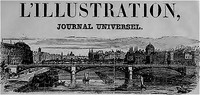
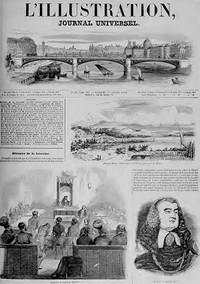
Forget everything you know about history books. L'Illustration, No. 0061 isn't a retelling; it's the original broadcast. This was one of the world's first fully illustrated weekly news magazines, and this specific issue from late April 1844 is a complete package of its era. You're not reading about history—you're reading the newspaper of history.
The Story
There's no single plot. Instead, you flip through a collage of 1844 life. One page details a solemn state funeral with intricate engravings of the procession. Turn the page, and there's a technical diagram for a newfangled 'electromagnetic telegraph' machine, promising to shrink the world. You'll find serialized fiction, political cartoons poking fun at lawmakers, reviews of the latest Parisian plays, and even fashion plates showing the extravagant sleeves and hats of the season. It covers Algerian colonial affairs, railway expansions, and society gossip with equal weight. The 'story' is the week's rhythm, a blend of gravity and frivolity that feels utterly familiar.
Why You Should Read It
The magic is in the mundane details and the perspective. Reading a report on a parliamentary debate written the day after it happened carries a raw energy textbooks lack. The ads are a treasure trove, hawking miracle tonics and the latest books. The illustrations are stunning—these are hand-crafted engivals that were the HD images of their day. It shatters the monolith of 'the past' and shows it as a messy, vibrant, and contradictory place, full of people who were just trying to keep up with their own rapidly changing world, much like we are today.
Final Verdict
Perfect for history lovers who want to get out of the textbook and into the streets of the past, and for anyone with a curiosity about the textures of everyday life in another time. It's also a fantastic resource for writers, artists, or RPG gamers looking for authentic period flavor. Don't read it cover-to-cover in one sitting. Dip in and out. Let yourself be surprised by what captured the world's attention on a random week in spring, 1844. You'll come away feeling like you've time-traveled.
Legal analysis indicates this work is in the public domain. Thank you for supporting open literature.